
In September 2007, Arnold Harvey was driving his waste pick-up route in the Washington, D.C., suburbs when he started seeing signs times were tough. During his 2 a.m. to 12 p.m. shift, the Waste Management employee encountered families sleeping on the street near a local shelter.
“It hurt, it really hurt, to see something like that,” says Harvey, 57, an Army veteran and father of five who has worked for the Fortune 500 company out of Gaithersburg, Maryland, since 1990. “It just turned my heart.”
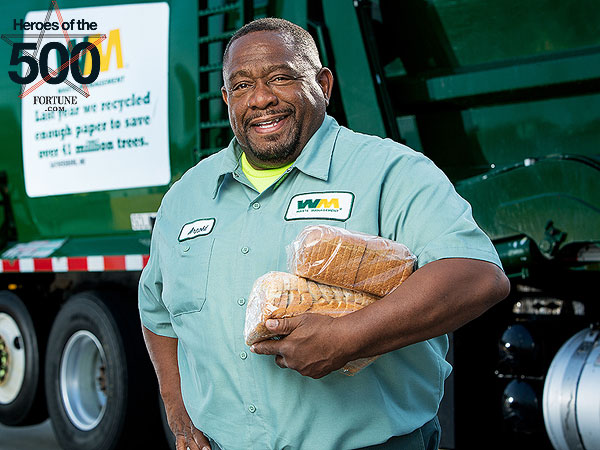
Harvey was so concerned that he asked his brother, William, to meet him one night so they could document the conditions on video. Then he presented the footage to his manager at the time and asked, “Is there anything we can do as a company?”
He started collecting coats and blankets at the office to donate. He and his wife, Theresa, also made sandwiches to distribute outside the shelter every week. Those first steps to help the needy led the couple to create God’s Connection Transition, a nonprofit that today provides donated food to 5,000 families a month from a rented warehouse in Gaithersburg.
Harvey has convinced major companies like Pepperidge Farm, Costco and Safeway to donate food.
People from churches and food pantries visit the warehouse and gather groceries and supplies for hundreds of families at a time. For those hardest hit by the economic downturn, the Harveys’ acts of kindness are “critical and crucial,” the Reverend Dr. Oswen Cameron says. His church, Lighthouse Ministries International, gathers bread, produce and flour for 300 families each week at the warehouse. If not for the Harveys, “a lot of people would go to bed hungry at night,” Cameron says.
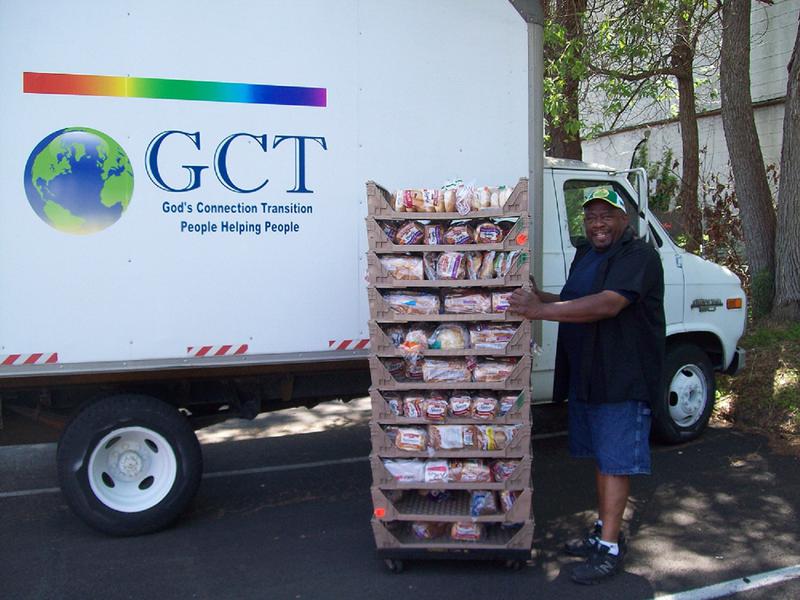
Individuals can visit the warehouse, open daily, by appointment to pick up what they need for free. Philomene Binam-Dorsey, 28, goes once a month to provide for a household of seven, including two nephews and a niece. A child-care worker, she earns $9 an hour; her husband, Anthony, 29, a maintenance man, makes $16 an hour.
“When you’re living from paycheck to paycheck, food is a necessity, but it’s an expensive necessity,” she says. “Our income is barely enough to get by. [Arnold and Theresa] are very helpful, very loving. This is a blessing, a godsend.”
Harvey also holds annual toy and bike collection drives for kids. His boss, senior district manager Frank Lauria, says he inspires co-workers to pitch in. “[Harvey] comes and does a full day of work here and then does a full day of work out there,” Lauria says.
Harvey shrugs off the praise. “We’re all human, no matter what situation we’re in,” he says. People “just want to know someone cares.”
Source: people.com
 Kindness Blog
Beautiful Post that touched my Heart ❤
Blessings Friend~
LikeLike
God bless you . . . I’ve reposted this on my idare2Bdifferent.wordpress.com blog
LikeLike
Truly a moving story. Thanks for sharing.
LikeLike
Beautiful story of caring individuals. Warmed my heart.
LikeLike
It is a beautiful story. It also highlights the realities of TWO WORKING PEOPLE FAMILIES that barely make ends meet. Yet there are so many who keep stating that the ‘working poor’ are simply lazy, or moochers, or won’t take responsibility for their own lives, and even make it hard for families like the one described using the food pantry to get health coverage. It is a lovely story about many families who should not be in this situation if it were for less concessions to the uber-rich (tax breaks? Really?) and more concessions to the working poor. Just saying. Sorry for the litany. I know such hard-working families personally, where all the hours in the day are not enough for them to make ends meet. This should not be the case, especially not in the US.
LikeLike