


Searching for compassion post-hospitalization and finding unexpected differences in Depression Bipolar Support Alliance.
I spent a week and a half in a cradle of healing at Four Winds Psychiatric Hospital while recovering from a particularly dark episode of major depression. Since my discharge two weeks ago I have been searching for a new safe haven. While I was inpatient I was continually surrounded by fellow sufferers who understood, in their bones, what I was going through. At any hour of the day you could find someone willing, and often eager, to talk about your current difficulties. We were not a squeamish crowd when it came to uncomfortable truths about our attitudes toward our selves and lives; it was commonplace to sit down at the kitchen table and launch directly into discussions about desire for self harm without any preamble.
On the outside that sort of honesty causes alarm. It causes panic. Worst of all, honest admonitions about your current struggle for safety and survival often cause awkward, papered-over optimism and quick changes of subject. I can tell you, there is little that makes me feel as small as getting the courage to share the depth of my struggle with someone only to be met with plastic smiles, empty platitudes, and a pivot to safely positive subjects.
Following my discharge I participated in numerous group therapies of various therapeutic approaches and with various participant makeups and still hadn’t found my place: my Four Winds’ blanket of understanding and compassion in the civilian world. My first visit to our local Depression Bipolar Support Alliance (DBSA) peer support group held something quite different from my previous experiences with more didactic, and sometimes too-high-functioning groups.
My first trip to DBSA began in common Syracuse style. Syracuse is a patchy city with areas that, as a woman, I’d prefer not to traverse alone at night. The gap between the bus stop and the building where the support group was held was composed of the evening emptiness, boarded up windows, and light graffiti that likely did not spell doom, but did encourage future trips to be accompanied with pepper spray. I uneventfully made it to the rear entrance of the squat building, with a whiff of mid-century brutal architecture. I was greeted by a middle aged woman holding open the rear door. She glanced at me out of the corner of her eye. I wanted to run, but paused long enough for her to comment, “You must be new” at which point she warmly shook my hand and offered to escort me to the basement room in which we would convene shortly.
I walked into the low-ceiling meeting room and crossed the seemingly expansive traverse between the door and one of the four, long tables populated by a few seated people. A quick glance at my new peers put me on edge — I didn’t see anyone that “looked like me”. There were older people. People in sweat suits. People who were very overweight. People missing teeth. I spotted no young, poised, people with airs of erudition. As much as I chastised myself for quick judgements an alarm persisted in my brain, screaming “DIFFERENT”. I sat and tried to be invisible until the group began.
The woman who had greeted me started the meeting by reading ground rules: using “I statements”, maintaining confidentiality of shared experiences, and generally being kind and compassionate. And the sharing began. The meeting consisted of going around our circle and offering whatever we might be struggling with or, hopefully, some positives from our past week.
I saw struggles similar to mine: desire to isolate, inability to work a normal schedule, feeling incredibly alone, and above all — fighting those feelings to simply show up. When describing once-effective coping skills that suddenly failed, one sharing man was me. When begrudgingly sharing that she wouldn’t be able to work a normal schedule for many, many months, a woman was me. When she detailed her breakdown during grad school, another woman was me. And when I confessed my reluctance to accept that my illness will never be cured, only managed, I was them too.
Painfully, I began for the first time to realize that depression is forever. I will not always be in the grips of a soul-crushing episode, but another episode will always be a possibility. I do not like that fact. In the meeting I was surrounded by people who had largely come to terms with their non-traditional lives. I saw so many who were unable to work due to their condition. But I also saw volunteerism, and compassion, and an unyielding search for moments of levity. The lives I saw at DBSA were so very different than the one I planned for myself, but it was overwhelmingly clear that they are all lives of value, and moreover lives that find value in persisting. Maybe there is a difference between us after all, one I hope to slowly collapse as I work to find the value in persisting too.
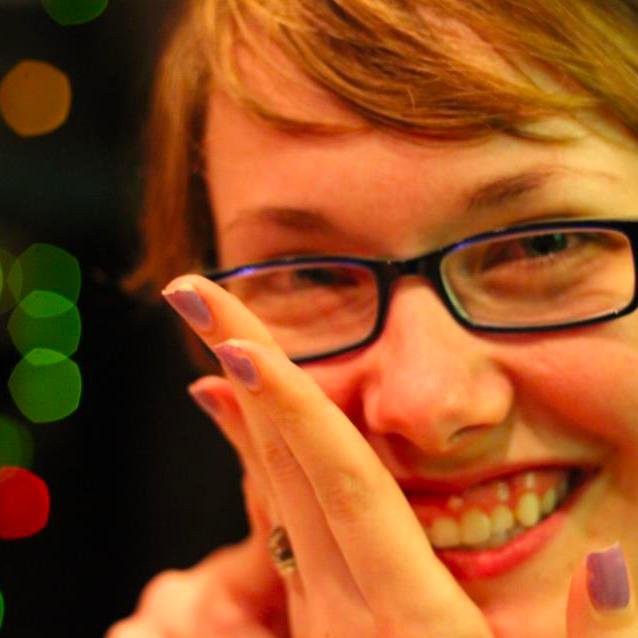
 Liz is also on Twitter and will be recounting her transition back to the outside world on Medium
 Kindness Blog
Liz, you are a beautiful person.
I woke up yesterday, and today, thinking about you.
Persist sweet soul………..and please know I wish you comfort, peace and love.
Many (((Hugs)))
LikeLiked by 2 people